 Skip to content
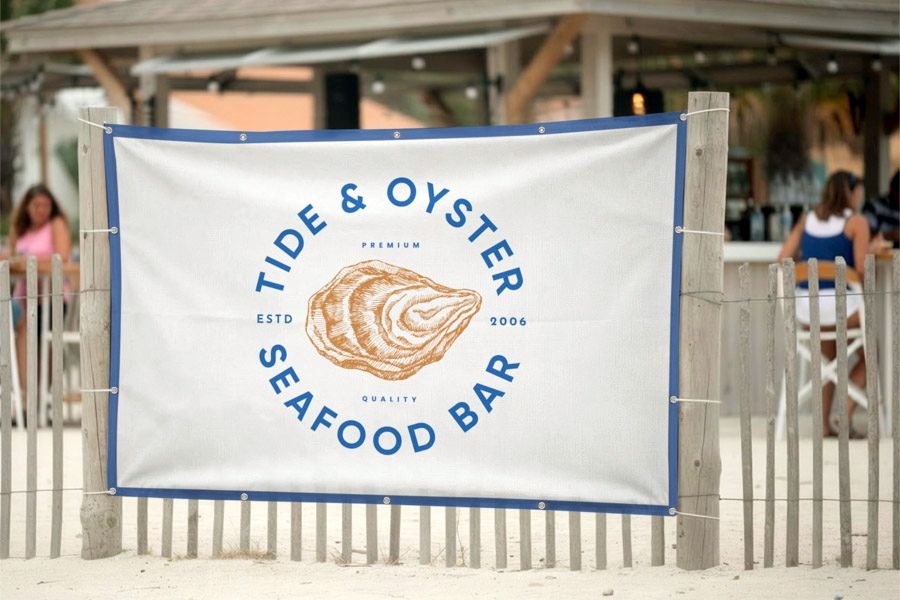
A banner has only a few seconds to do its job. Someone passing your storefront, walking into a fundraiser, or scanning a busy trade show needs to understand who you are and what matters before they move on. Custom banners give that message a physical presence that is hard to miss – as long as the size, material, placement, and artwork fit the occasion.
For a school spirit night, that might mean a colorful gym banner with a bold mascot. For a dealership sale, it may be a large outdoor banner that can handle wind and sun. For a nonprofit event, it could be a clean sponsor banner that makes every supporter look good. The best choice is not always the biggest banner. It is the one built for the way people will see it.
Start With the Job Your Banner Needs to Do
Before choosing fabric or sending artwork, decide what you need the banner to accomplish. A banner announcing a one-day sale has different demands than one used at every home game or community event. Temporary promotions can prioritize a direct offer and large type. Long-term displays need durable materials, a design that stays relevant, and finishing that holds up through repeated use.
Think about viewing distance first. If people will see the banner from across a parking lot, small details and paragraphs of text will disappear. Use a short headline, your logo, and one strong call to action. If the banner will hang behind a registration table or inside a booth, viewers can stand closer, so you have more room for event details, sponsor logos, or a schedule.
Location matters just as much. Indoor banners are protected from weather but may need to fit a specific wall, stage, hallway, or display frame. Outdoor banners have to contend with rain, direct sunlight, wind, and the hardware used to secure them. A banner is only useful if it can be displayed safely and clearly where the audience will actually encounter it.
Choosing Custom Banners by Material and Finish
Material affects appearance, portability, and performance. There is no single right choice for every project. The practical answer depends on whether your banner will live indoors, outdoors, or travel from event to event.
Fabric banners are a strong option when you want a more polished, less reflective look. They work especially well for indoor events, podium backdrops, club displays, stage presentations, and photo areas. Fabric can produce rich color and a professional finish, and it is easier to fold and transport than rigid signage. It is also a smart choice when people will be photographed in front of the banner, since it avoids the glare that can show up under event lighting.
Outdoor fabric banner materials are often selected for outdoor promotions and high-visibility applications. They are made to be practical, readable, and durable in demanding settings. If wind is a factor, discuss where the banner will be installed and how long it will remain up. A properly planned banner may need reinforced edges, grommets, pole pockets, or other finishing details based on the mounting method.
Finishing is not a small detail. Grommets make it easier to hang a banner from a fence, wall, or frame. Pole pockets create a clean presentation when the banner will be mounted on a rod or carried in a parade. Hemmed edges add strength for banners that will be used repeatedly. Tell your banner maker how and where you plan to display the finished piece before production begins.
Match the Size to the Space
Measure the display area instead of guessing. A banner that is too narrow can look lost on a large fence or building front. One that is too large may cover windows, block a walkway, or become difficult to install. Record the width and height available, then leave room for the hardware, frame, or ties needed to mount it.
For event spaces, consider the background around the banner. A white design can blend into a pale wall. A dark banner may disappear in a shaded corner. Your design should stand apart from its setting, especially if it will be used for photos, television coverage, or social media posts.
Design for Fast Reading, Not Fine Print
Good banner design is disciplined. A strong logo is valuable, but the message must still be easy to read at a glance. Too many logos, photos, type styles, and colors compete for attention. The result is a banner that technically includes everything but communicates very little.
Start with the one message that matters most. It might be “Grand Opening,” “Support Our Team,” “Register Today,” or the name of your event. Make that message the largest element. Your organization name or logo should be clear, followed by only the supporting information people need to take the next step.
Choose high-contrast colors. Dark lettering on a light background or light lettering on a dark background is usually easier to read from a distance than two similar tones. Be careful with thin fonts, busy backgrounds, and detailed images. What looks sharp on a laptop screen can become hard to read when printed large and viewed from 30 feet away.
If your artwork is incomplete, do not let that stop the project. Some customers have print-ready files, while others have an old logo, a rough sketch, or only an idea for the event. Flags Made has a full-time graphic design staff that can help rebuild a logo, refine supplied artwork, or create a banner design from the ground up. That support can prevent common problems such as low-resolution images, incorrect colors, or text placed too close to the edge.
Give Sponsors and Partners Room to Be Seen
Sponsor banners need a little extra planning. Every logo should have enough breathing room to remain recognizable. Packing dozens of marks into a small area may seem fair, but it reduces the value for everyone involved.
When several sponsor levels are included, use size and placement intentionally. A title sponsor can receive a larger position, while supporting sponsors are organized in clean rows. Keep logos proportional whenever possible, and avoid stretching them to force a uniform shape. A banner that looks organized reflects well on the event and on the organizations supporting it.
Plan for Reuse, Travel, and Real Conditions
A custom banner often has a longer life than the event that prompted it. Schools reuse spirit banners every season. Clubs take branded displays to meetings and tournaments. Businesses bring the same banner to local promotions, open houses, and trade shows. If repeat use is likely, build for it from the beginning.
Choose a message that will not expire quickly. Instead of printing a specific date into a general organization banner, create a timeless version for ongoing use and a separate event banner for date-sensitive information. This gives you more flexibility and can reduce replacement costs later.
Storage also matters. Keep banners clean and dry before rolling or folding them according to the material. Avoid leaving them in a hot vehicle for long periods, especially if they include hardware or coatings. Bring the right mounting supplies to every event: ties, poles, clips, bungee cords, or a display stand, depending on your setup. A great printed banner cannot help if it arrives without a way to hang it.
For outdoor use, inspect the installation before the event begins. Secure mounting points, adequate tension, and room for airflow can make a major difference. Do not place a banner where it can obstruct traffic, cover safety signs, or create a hazard in windy conditions. If the weather forecast looks rough, ask for guidance on the material and finishing best suited to the location.
Make Ordering Simple With the Right Details
Custom production moves faster when the banner maker has a complete picture of the project. Share your desired size, quantity, deadline, intended location, artwork, and how you plan to mount the banner. If you are not sure about any of those details, describe the event and the display area. A knowledgeable team can help narrow the options.
It is also wise to request a proof before production. Review every word, phone number, date, logo, and color direction carefully. Ask a second person to check it too. Once a banner is printed, a missed digit or outdated event detail is no longer a small mistake.
The best custom banners do more than fill empty space. They tell people where to look, what to remember, and what to do next. Bring a clear goal and whatever artwork you have, then let the right size, material, finishing, and design support turn that first idea into a display people will notice.