 Skip to content
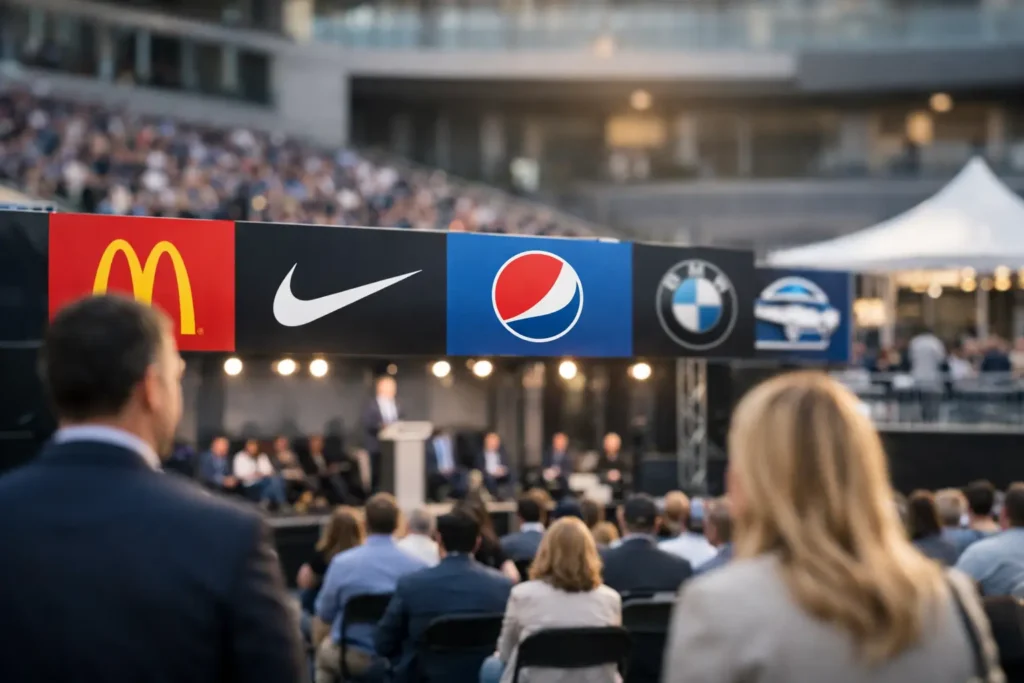
A sponsor logo printed too small, placed behind a crowd, or hung where no camera can find it does not deliver much value. Sponsors invest because they expect recognition, visibility, and a clear connection to the event they support. Knowing how to plan sponsor signage means designing that visibility into the event from the first site map, not trying to fill empty walls a week before setup.
Whether you are organizing a charity golf outing, school fundraiser, local festival, race, trade show, or community tournament, a good signage plan gives every sponsor a presence that feels intentional. It also helps your event look organized, makes setup easier for volunteers, and gives sponsors a better reason to return next year.
Start With What Sponsors Are Buying
Before selecting banners, flags, signs, or tents, define the exposure each sponsorship level includes. A title sponsor should not receive the same visual treatment as a hole sponsor or supporting partner. Clear benefits protect the value of your top packages while giving smaller sponsors an affordable way to participate.
Think beyond the number of signs. Consider where attendees will spend time, what areas will appear in photos and video, and where they make purchasing or donation decisions. A sponsor name at registration, for example, reaches every guest. A logo on a sponsor backdrop may be seen repeatedly in event photos. A banner at a busy intersection can reach both attendees and passing traffic.
Write each sponsorship package in plain language. State the display type, estimated size, location, duration, and whether the sponsor will be included in printed materials, social content, or announcements. This prevents last-minute misunderstandings and gives your team a real production checklist.
Map the Attendee Journey Before Ordering
The best sponsor signage follows the path people naturally take through an event. Walk the venue or review a detailed site plan and identify the moments that matter: arrival, parking, check-in, main activities, food areas, stage or awards spaces, restrooms, exits, and any high-traffic transition points.
For an outdoor event, visibility depends on sightlines, wind, sun, vehicle flow, and crowd movement. A banner may look perfect on a blank site diagram but disappear once tents, parked vehicles, landscaping, and people are in place. Stand at attendee eye level whenever possible. If drivers are part of the audience, view the space from the road as well.
High-value sponsor placements often include entranceways, registration tables, stages, award areas, tee boxes, finish lines, and photo stations. Directional signs can also carry sponsorship when done carefully. A sponsor logo beneath “Parking” or “Check-In” can add useful exposure without making an essential instruction harder to read.
Avoid placing every logo in one location. A crowded sponsor wall may satisfy a contract, but it rarely gives individual businesses meaningful visibility. Spread placements across the guest experience and reserve the most prominent positions for your highest sponsorship levels.
Match the Sign Format to the Job
One sign type cannot solve every visibility problem. The right format depends on location, message length, viewing distance, weather, and how often the display will be used.
Large fabric banners work well along fences, stages, building fronts, and crowd-control barriers. They provide a broad logo area and can be produced in custom sizes for a particular space. For a sponsor with a simple logo and a short message, banners are a strong choice at entrances and main gathering areas.
Feather flags, teardrop flags, and swooper flags are especially useful outdoors because height and movement help them stand apart from a busy event environment. They are a practical option for parking entrances, vendor rows, course routes, dealership promotions, and open festival grounds. Keep the design simple so it remains readable as the flag moves.
Table covers and podium banners make sponsors visible where conversations happen. Registration, silent auctions, information booths, hospitality tables, and awards presentations all create close-range opportunities for branding. Canopy pop-up tents can give a major sponsor a dedicated branded footprint while providing a practical place for shade, product samples, or guest engagement.
For golf events, golf pin flags, tee signage, and club banners can connect sponsor recognition directly to the course experience. For parades and mobile promotions, car flags, antenna flags, and car mirror socks put branding where it travels. The product should serve the setting, not simply fill an item line on the sponsor package.
Keep Artwork Clear at a Distance
Sponsor signage is not a brochure. People usually have seconds to notice it, understand it, and move on. That means a strong logo, high contrast, and a short message will outperform a design packed with details.
Ask sponsors for their vector logo files when available. These files allow artwork to scale cleanly for large-format printing. If a sponsor only has an old web image, a screenshot, or a low-resolution file, address that early. Enlarging a small image can produce soft edges and poor print quality. A full-time design team can often rebuild a logo or create a clean event-ready layout when the supplied artwork is not usable.
Use the sponsor’s brand colors when possible, but protect readability. A dark logo on a dark fabric or a pale logo against bright sunlight can disappear. Give the logo room to breathe, use a solid background where needed, and avoid placing critical text over complicated images.
If a sign is intended for passing traffic, limit it to the sponsor name, logo, and perhaps a short phrase. Phone numbers, web addresses, and dense service lists are usually too small to read from a distance. A QR code can work for close-range displays, such as a table sign or auction station, but it should never be the only way a sponsor gets recognized.
Plan Sizes and Quantities With Purpose
Bigger is not automatically better. A large flag or banner on a narrow walkway can create a setup problem, while a small stick flag may be exactly right for a sponsor table. Size should reflect the viewing distance and the available space.
As a practical rule, use larger displays for entrances, stages, parking areas, and open outdoor spaces. Use medium formats for fencing, activity zones, vendor locations, and course stations. Use smaller branding for tables, check-in counters, auction displays, and sponsor gifts. Order a few extra general event signs and replacement hardware when the event is large or spread across multiple areas.
Also consider how many impressions each placement can realistically earn. One banner at registration may be more valuable than three signs placed in low-traffic corners. If you have a limited budget, invest first in the locations every attendee must pass.
Build a Production Timeline That Leaves Room
Sponsor signage often gets delayed because sponsorships are still being sold, logos arrive late, or a venue changes the layout. Build a schedule that allows for those realities instead of assuming every detail will be final on day one.
Start collecting logos as soon as sponsors commit. Set a clear artwork deadline, then create a second deadline for final approval. Your production schedule should include time for design review, revisions, printing, finishing, shipping or delivery, and event setup. Custom items need more lead time than a last-minute office printout, especially when you are coordinating multiple sizes, fabrics, and display styles.
Keep one shared sponsor-signage tracker with the sponsor name, package level, logo status, approved artwork, product, quantity, placement, and person responsible for installation. This simple document prevents a common event problem: the banner is printed, but nobody knows where it belongs.
Assign Setup and Proof Responsibilities
A signage plan works only if it is installed correctly. Give one person ownership of the placement map and another person responsibility for checking the finished setup. During installation, confirm that banners are straight, flags are secure, logos face the expected direction, and signs are not blocked by furniture, vehicles, or other displays.
Take photos before attendees arrive. These images provide proof of placement for sponsors, help resolve questions quickly, and become useful sales material for the next event. Then take a second set of photos during peak attendance to show the sponsor exposure in action.
For outdoor displays, bring the right bases, stakes, ties, and hardware for the surface and weather conditions. A display that looks great in calm weather still needs to be secured for wind, foot traffic, and a long event day. Durable custom displays are a better investment when you plan to reuse them for annual events or a season of promotions.
Make Recognition Feel Worth Repeating
Strong sponsor signage is not about putting logos everywhere. It is about putting the right logo in the right place, in a format people can actually see. When your sponsor package, venue map, artwork, production schedule, and setup plan all work together, recognition feels professional instead of improvised.
If you need custom flags, banners, tents, table covers, or event branding built around your venue and sponsor levels, Flags Made can help turn a rough idea or finished artwork into a coordinated display order. Get the placements mapped early, keep approvals moving, and give every sponsor a reason to be proud they put their name on your event.