 Skip to content
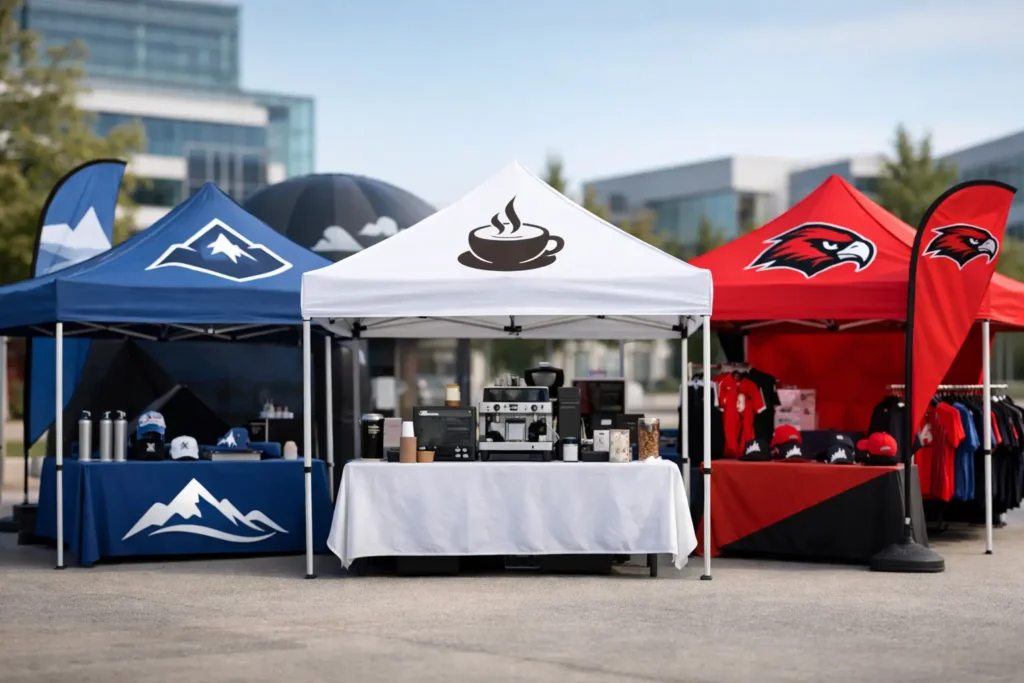
A busy event can make every vendor space look the same – until one booth gives people a clear reason to stop. Custom canopy pop up tents put your name, logo, colors, and message above the crowd, turning a basic setup into a recognizable home base for your organization. Whether you are working a trade show, hosting a school fundraiser, selling outdoors, or supporting a team on game day, the right tent keeps your brand visible from a distance and your crew covered when conditions change.
A printed canopy is not just a shelter. It is one of the largest branded surfaces at your event, and it works before someone reaches your table. That makes the details worth getting right.
Start With the Job Your Tent Needs to Do
The best tent size depends on how you plan to use the space, not simply how large you want your logo to appear. A 10’x10′ canopy is a dependable choice for single-booth events, sidewalk promotions, check-in stations, product sampling, and local fundraisers. It is compact, familiar to event organizers, and large enough for a table, staff members, and a focused display.
A 10’x15′ or 10’x20′ tent gives growing teams more room to work. These sizes are useful for dealerships, mobile sales teams, athletic programs, community organizations, and larger activation spaces where customers need room to browse or line up. More coverage also means more print area, but it comes with additional setup, transport, storage, and event-space requirements.
Before requesting a quote, consider where the tent will be used most often. Indoor expos may have height limits and specific fire-safety requirements. Outdoor markets may assign a fixed booth footprint. A larger tent is valuable only if it fits the events you attend and can be transported by the people using it.
Custom Pop Up Tents Need a Clear Brand Message
A tent can carry a full-color design, but that does not mean every available inch needs text. From across a parking lot or exhibit hall, people should be able to identify your organization in seconds. Your logo, primary color, and a short message generally do more work than a crowded collection of services, phone numbers, and small print.
Put the strongest visual elements on the canopy peaks and valances, where they can be seen from multiple angles. If attendees will approach from one main direction, give that side extra attention. If your tent will sit in the middle of a festival row or at a sports complex, a design that reads well from all four sides is usually the smarter investment.
Color matters, especially outdoors. High-contrast artwork remains easier to read under bright sun, overcast skies, and event lighting. A dark logo on a dark canopy may look sharp in a digital proof but disappear at a distance. Your existing brand standards should lead the design, but small adjustments in background color, outline, or logo placement can improve real-world visibility.
For organizations with limited artwork, that should not stop the project. A clean logo file is helpful, but many customers start with a photo of an existing sign, an old shirt graphic, a business card, or just an idea. Flags Made has a full-time graphic design team that can rebuild artwork, refine a logo, or create a tent design from the ground up.
Full-Canopy Print or Focused Logo Placement?
This choice often comes down to how often you will use the tent and how prominent your brand needs to be. Full-canopy printing creates a high-impact display with color and graphics across the roof and valances. It is a strong option for brands that rely on event marketing, sponsorship visibility, retail promotions, or frequent outdoor appearances.
Focused logo placement can be the right fit when your organization wants a cleaner look, has a limited design palette, or needs a practical branded tent for occasional events. A simple canopy with a bold logo on each valance can still make a professional impression. The key is making the logo large enough to be useful from the distance where attendees first notice your setup.
Choose Hardware for How You Actually Work
The frame is the working part of a pop up tent. It needs to open reliably, support the canopy, and stand up to regular loading, unloading, and setup. A lighter frame may be easier for one person to carry, while a heavier commercial-grade frame can make more sense for organizations that use their tent week after week.
Think about your crew, not just the product specifications. If volunteers will set up the tent at school events, a straightforward frame and manageable packed size are important. If a marketing team travels with a display package, a wheeled carry case can make a real difference between the loading dock and the event floor.
Pop up canopy tents are designed for quick setup, but quick does not mean careless. Review the setup process before the event, assign at least two people for larger units, and inspect the frame after use. Closing a tent properly before packing it away helps protect both the hardware and the printed canopy.
Outdoor Safety Is Part of the Purchase
No portable canopy should be left unsecured. Wind can turn even a quality tent into a hazard, and many event organizers require tent weights as a condition of participation. Use the right amount of weight for the tent size, weather conditions, and local event rules. Stake kits may work on grass or soil, while weighted bases are generally needed on pavement and hard surfaces.
Do not assume a tent is built to stay up through every weather condition. Strong winds, lightning, heavy rain, and severe weather call for good judgment. A branded tent is an investment, but the safety of staff, guests, and nearby exhibitors comes first.
Build a Complete Event Display Around the Tent
Your canopy draws people in. The display underneath it tells them what to do next. A branded table cover gives your staff a polished workspace and hides supplies, boxes, and personal items. Feather flags or teardrop flags can extend your visibility beyond the tent footprint, especially at outdoor events where foot traffic approaches from a distance.
For sales booths and sign-up stations, add banners that state one clear action: shop, donate, register, enter, or ask us about a service. For sports teams, schools, and nonprofits, use the tent as a recognizable gathering point and pair it with flags, podium banners, or club banners that reinforce the same colors and identity.
Consistency is what makes the setup look established. A red tent, an unrelated blue tablecloth, and a different logo on a banner can make a good organization look unprepared. Using the same artwork and color direction across your tent and accessories gives visitors confidence that they are in the right place.
Plan Your Artwork and Timeline Early
Custom production gives you far more flexibility than an off-the-shelf canopy, but it also requires time for design review, proof approval, printing, and delivery. Start the conversation well ahead of your first event, particularly when you need design help or have a firm tournament, trade show, campaign, or fundraising date.
When you submit artwork, send the best version you have available. Vector artwork is ideal for crisp logo reproduction, but high-quality files in other formats may still be usable. Include brand colors, preferred wording, any sponsor requirements, and notes about which sides of the tent matter most. The more clearly the project is defined at the beginning, the faster the proofing process tends to move.
Proofs deserve a careful review. Check spelling, logo placement, colors, web addresses, event dates, and sponsor names. Look at the artwork as a customer would, not only as the person who created it. If the key message cannot be read quickly in a proof, it will not become clearer once the tent is installed across a crowded field.
Get a Tent That Keeps Working After the Event
The value of a custom tent grows with repeat use. Keep the canopy dry before storing it, clean it according to its care instructions, and pack accessories in a consistent place so weights, walls, and hardware are ready for the next event. If your branding changes often, a more adaptable visual approach may be better than printing a short-term campaign message across the entire canopy.
The right custom canopy pop up tents make a first impression before your team says a word. Bring a clear idea of your event space, audience, artwork, and use schedule to the quote process, and you will be much closer to a display that earns its place at every event on your calendar.